Beauty and Ugliness in the Renaissance at Gallerie d’Italia – Milan
9 July 2026
Intesa Sanpaolo opens to the public at Gallerie d’Italia – Milan the exhibition "Beauty and Ugliness. Ideal, real and caricature in the Renaissance", an exhibition project exploring one of the central themes of Western visual culture: the relationship between ideal harmony, natural reality and artistic distortion.
Curated by Chiara Rabbi Bernard with the general coordination of Gianfranco Brunelli and developed in partnership with Bozar – Centre for Fine Arts Brussels, the exhibition brings together more than 100 works from leading international institutions.
Exploring the relationship between idealisation and transformation in the Renaissance
First presented in February 2026 at Bozar – Palais des Beaux-Arts in Brussels, the exhibition arrives in Milan enriched by significant new international loans. The exhibition offers a perspective on the Renaissance through the continuous dialogue between beauty and ugliness as aesthetic, cultural and social categories.
Sculptures, paintings, drawings, manuscripts and decorative arts illustrate how the concept of perfection evolved between the late fifteenth and sixteenth centuries, bringing classical models, observation of reality and artistic invention into dialogue.
Works on display include pieces by Ludovico Carracci, Bernardino Luini, Paolo Veronese, Titian, Lorenzo Lotto, Sandro Botticelli, Tintoretto and Michelangelo, with loans from institutions including the Vatican Museums, the Louvre, the British Museum, the Museo Nacional del Prado, Vienna’s Kunsthistorisches Museum and the National Gallery of Art in Washington.
From classical heritage to the emergence of “beautiful ugliness”
Key themes explored throughout the exhibition include:
- the legacy of classical antiquity in the Renaissance and its role in shaping concepts of beauty and ugliness
- Renaissance ideals of female beauty and the development of realistic portraiture
- the section dedicated to Muses, Monsters and Marvels, featuring exceptional real and legendary figures transformed into visual archetypes
- beauty practices and the spread of cosmetic manuals and recipes
- the emergence of the concept of “beautiful ugliness”, where even the monstrous may acquire aesthetic value through artistic representation
- representations of mismatched couples, where beauty and ugliness coexist within the same visual space
Together, these themes invite visitors to reflect on the power of art to reinvent reality and challenge traditional aesthetic standards, celebrating creative artifice as one of the Renaissance’s most significant achievements.
The exhibition at Gallerie d’Italia
“Beauty and Ugliness. Ideal, real and caricature in the Renaissance” is hosted at Gallerie d’Italia – Milan, part of Intesa Sanpaolo’s museum network, which also includes museums in Turin, Naples and Vicenza.
The exhibition is open to the public from 10 July to 18 October 2026. Further information is available on the Gallerie d’Italia website.
The exhibition catalogue is published by Società Editrice Allemandi.
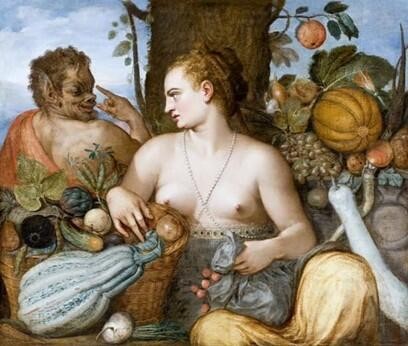
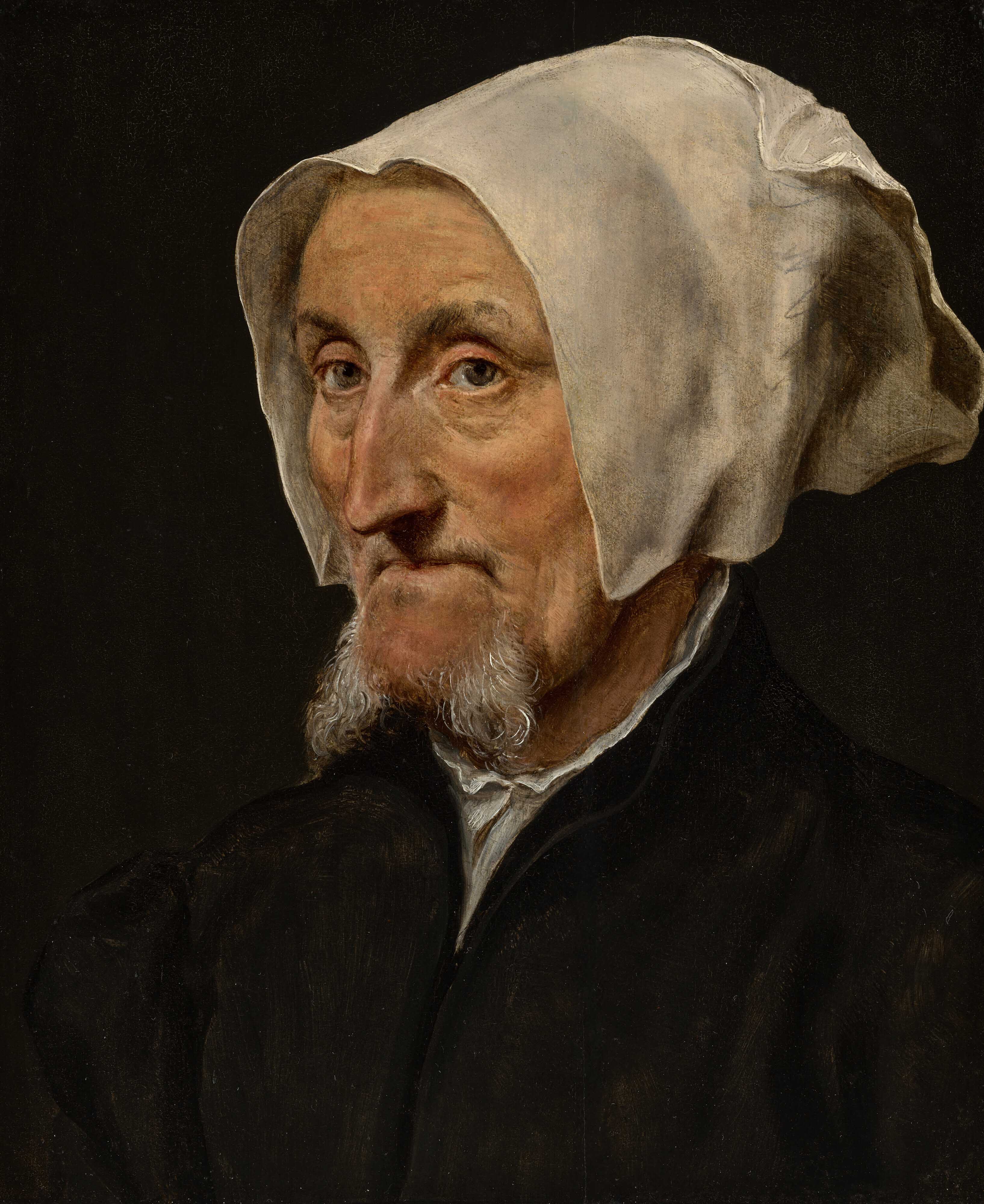
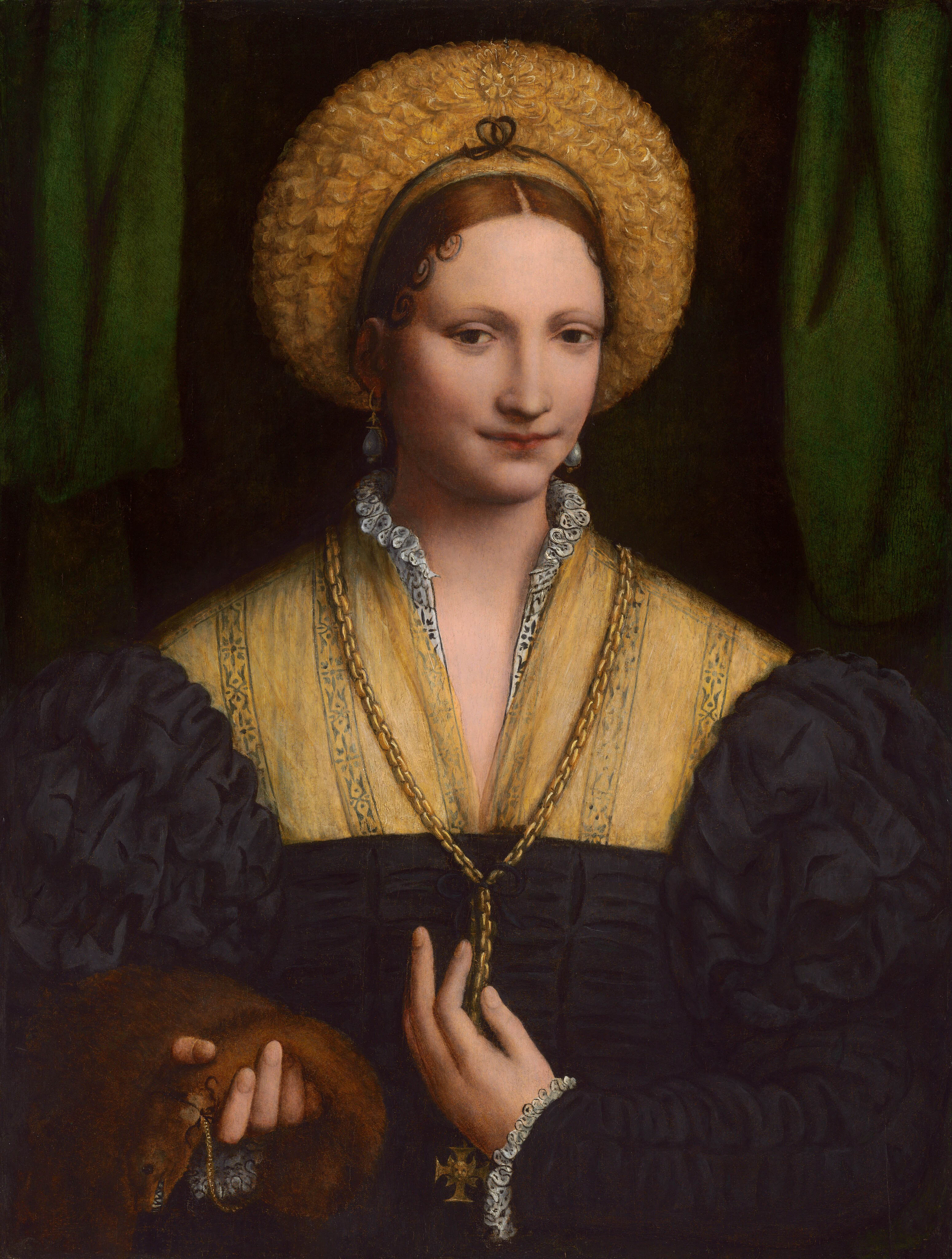
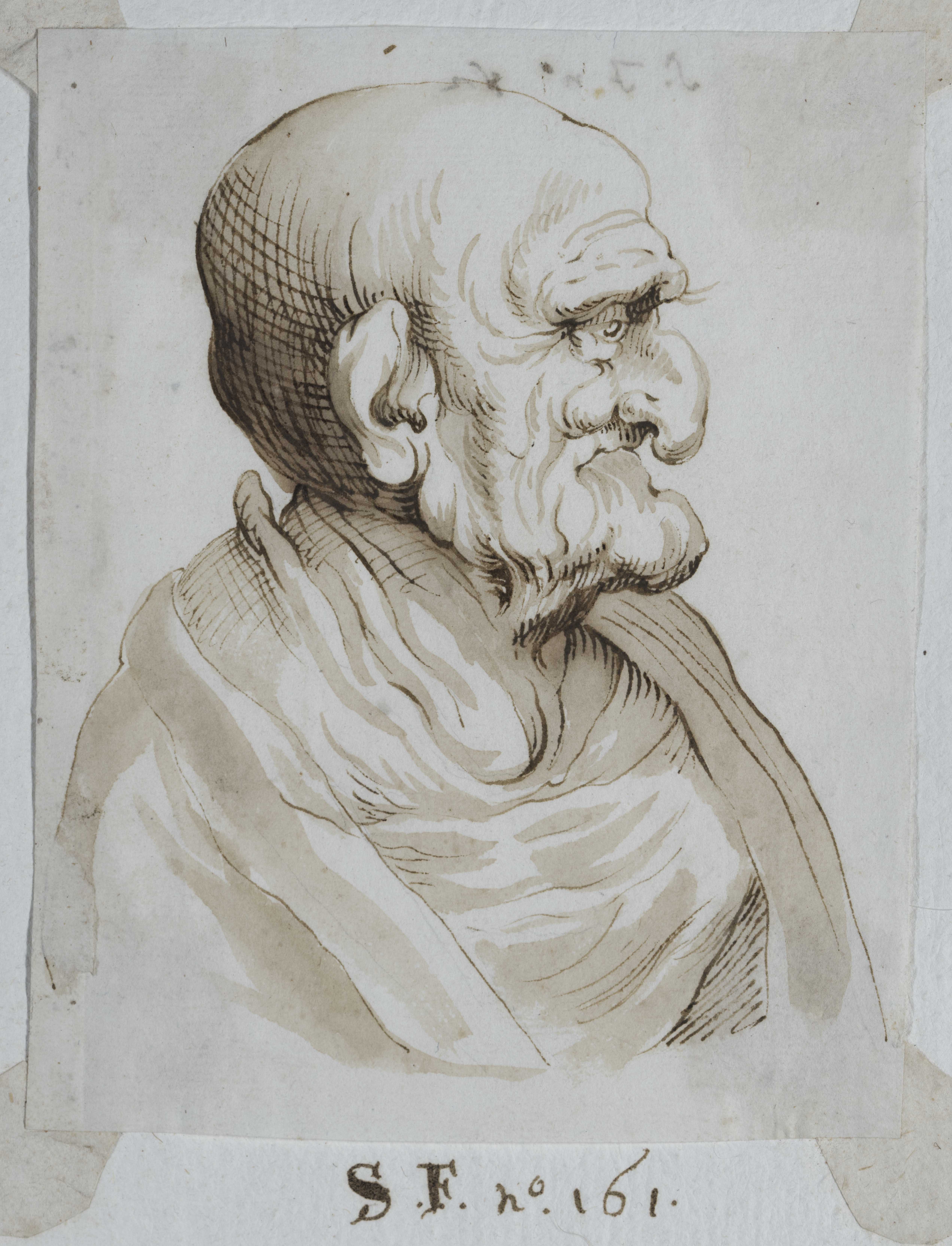
1. Frans de Vriendt detto Frans Floris
Pomona
1565
Olio su tela, 115,5 x 134 cm
Stockholm, The Hallwyl Museum
2. Willelm Key
Ritratto di Margret Halseber di Basilea
olio su tavola, 31,7 x 26 cm
Collezione privata
© Collezione privata
3. Bernardino Luini
Ritratto di donna, 1520-1525
olio su tavola, 77 x 57,5 cm
Washington, National Gallery of Art, Andrew W. Mellon Collection
©Washington D.C., National Gallery of Art, Andrew W. Mellon Collection
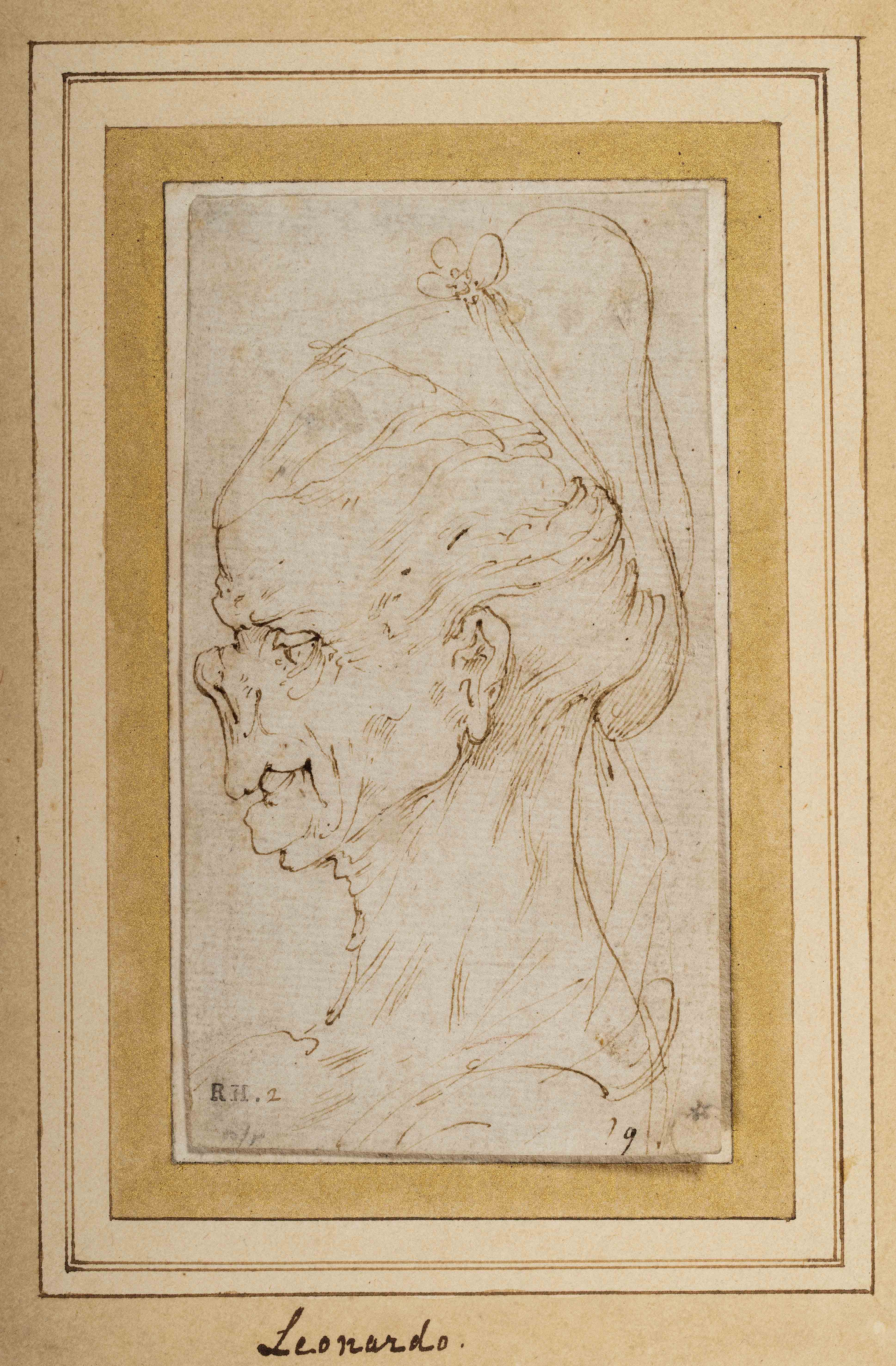
4.Salviati (Francesco Dé Rossi)
Testa grottesca
Penna e acquerello marrone su carta, 115 x 78 mm
Collezione privata
© Collezione privata
5. Hendrick Goltzius
Sine Cerere et Libero friget Venus, 1600-1603 circa
inchiostro e olio su tela, 105 x 80 cm
Philadelphia Museum of Art, acquistato con il Fondo dei Signori Walter H. Annenberg per le acquisizioni maggiori, il Fondo Henry P. McIlhenny in memoria di Frances P. McIlhenny, il lascito (tramite scambio) dei Signori Herbert C. Morris e la donazione (tramite scambio) di Frank e Alice Osborn, 1990
©Philadelphia Museum of Art
Last updated 9 July 2026 at 15:10:43


